Restoration vs. Reconstruction: Understanding the Two Phases of Fire Recovery
August 18, 2026
Jump To
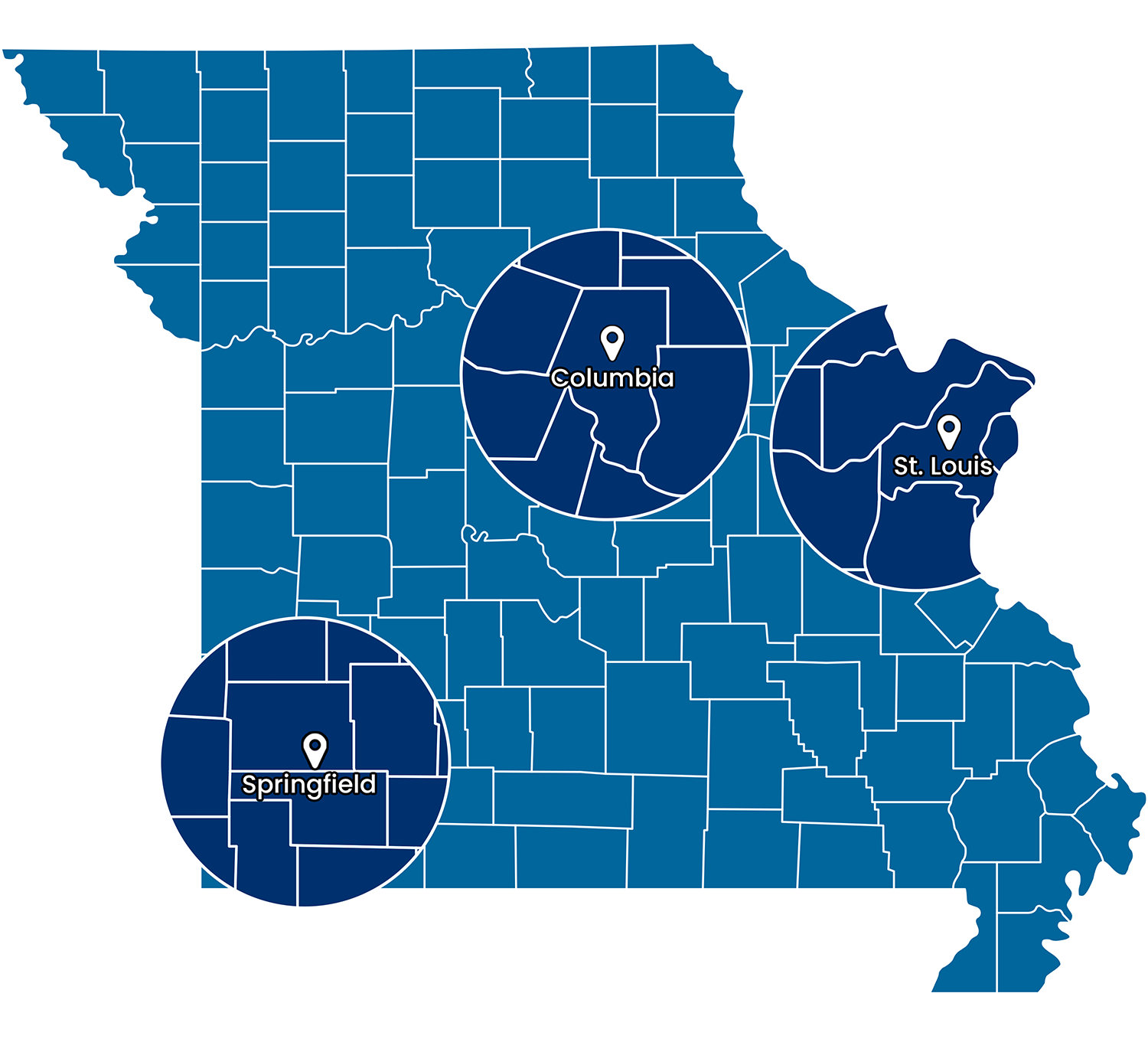
Fire recovery happens in two phases. Restoration cleans up and stabilizes what the fire left behind, while reconstruction rebuilds what's gone for good. At ABC Environmental Contracting Services, our team handles both across the St. Louis area, and our fire damage restoration crews know exactly where one phase ends and the next begins.
Most homeowners we meet after a fire have never thought about this split. That's normal. Your kitchen is coated in soot and your ceiling is sagging. In that moment, "cleanup" and "rebuild" feel like one big blur.
But they're two jobs. Treating them as separate steps, with a clean handoff in between, keeps the project on track and your home safe to live in again.
The Difference Between Restoration and Reconstruction
Restoration is the work done to save materials that can be saved. That means cleaning soot, clearing smoke odor, drying out water from firefighting, and making the structure safe. Reconstruction is the rebuilding of what's too far gone. That covers new drywall, flooring, framing, and roofing.
Here's a simple way to see it. Restoration is triage and repair. Reconstruction is building. One saves what's there, the other replaces what can't be saved.
Almost every fire needs both, which is why splitting the work between two companies so often causes delays.
The line between them isn't always clear, either. A wall stud might look scorched but still be sound, which makes it a restoration item. The drywall next to it might be soaked and headed for the dumpster, which makes it reconstruction. A trained eye sorts one from the other, and that call shapes your whole timeline and budget.
Phase One: Fire Restoration
Fire restoration is the first phase, and it starts within hours of the fire being out. The goal is simple: stop the damage from spreading, save what can be saved, and get the home clean, dry, and stable.
Soot is acidic. The longer it sits, the more it eats at surfaces. So speed matters here.
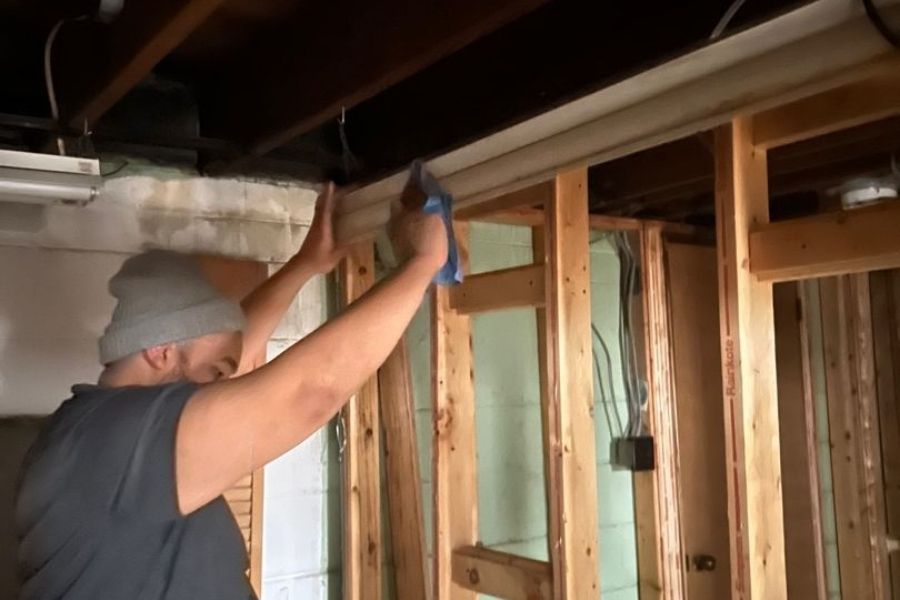
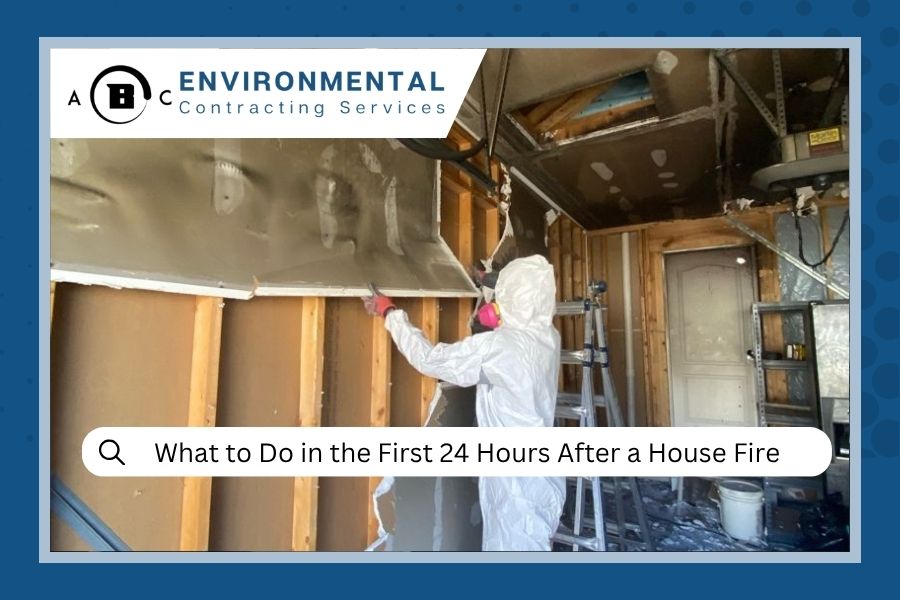
Soot cleanup after demo work. Wiping down surfaces early keeps acidic residue from etching deeper into what's left.
What Restoration Actually Covers
Restoration is more than scrubbing walls. It's a layered process, and each step sets up the next. Here's what our crews typically handle before a single new board goes up:
- Emergency board-up and roof tarping to secure the property
- Water extraction and drying from firefighting efforts
- Soot and residue cleaning, plus soot and smoke removal from surfaces and air
- Smoke odor removal, since smell hides in porous materials
- Cleaning and packing out belongings that can be saved
- Controlled demolition of materials that can't
Dealing with fire damage right now?
We're available 24/7 for emergency response across the St. Louis metro. The sooner cleanup starts, the more we can save.
Get In Touch With Our TeamPhase Two: Reconstruction
Reconstruction is the rebuild phase. It begins only after restoration leaves a clean, dry, and sound shell. This is where a home goes from stabilized back to livable. New framing, drywall, flooring, paint, cabinets, and roofing all fall under this step.
We handle structural repairs after a fire ourselves. So we don't hand your project to a separate contractor and cross our fingers. The same team that logged the damage rebuilds the space. Nothing gets lost in the handoff.
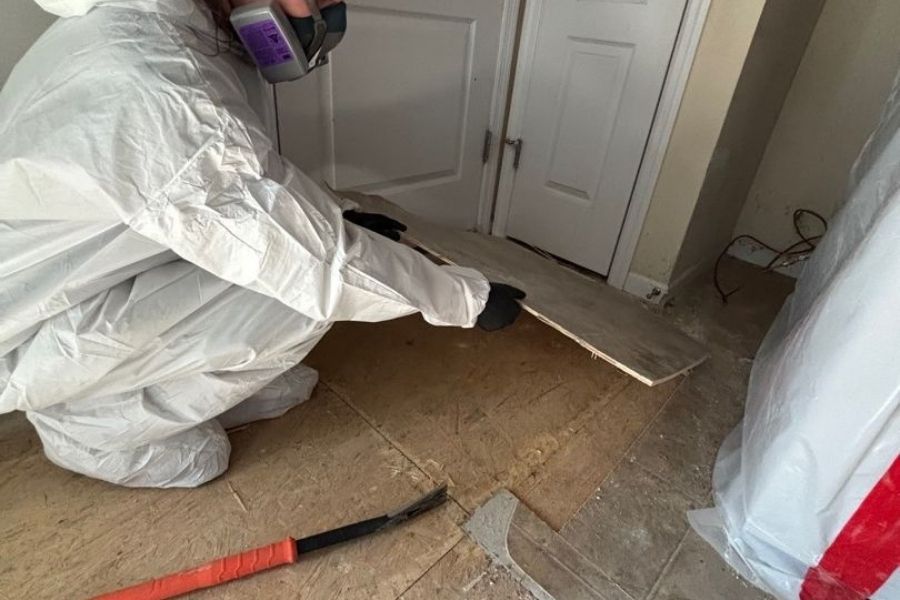
Flooring removal marks the bridge between phases. Once the damaged material is out, rebuilding can begin on a clean subfloor.
What Reconstruction Includes
Reconstruction scope depends entirely on how far the fire spread. A small grease fire might need new cabinets and paint. A whole-home loss can mean rebuilding from the studs. Common work includes:
- Framing and structural rebuilding
- Drywall, insulation, and ceiling replacement
- Flooring, trim, and cabinetry
- Roofing repair or full replacement
- Painting and finish work to match the original
Why the Handoff Between Them Matters
The handoff between the two phases is where fire projects live or die. Rebuild too early, over soot or hidden moisture, and you seal the problem inside your new walls. Odor comes back. Mold grows. And you pay to rip out fresh drywall you just put in.
A good handoff means restoration is signed off first. Surfaces are clean. Materials are dry. The air is tested and the structure is checked.
IICRC-certified restoration standards exist for this exact reason. Getting the order right the first time costs far less than doing it twice.
Moisture is the sneaky one. Firefighting dumps a lot of water into a home. It soaks into subfloors, wall cavities, and insulation where you can't see it.
Cover that up before it dries, and you've built a mold farm behind a fresh wall. So we trust meter readings, not guesses, to tell us when it's ready.
| Restoration | Reconstruction | |
|---|---|---|
| Goal | Save and stabilize | Rebuild and replace |
| Timing | Starts within hours | Starts after cleanup signs off |
| Typical Work | Soot cleaning, drying, odor removal | Framing, drywall, flooring, roofing |
| Skips It At Your Peril | Odor and residue return | Home stays unlivable |
Deciding when to restore versus replace a material is a call our estimators make item by item. We saw both phases play out on a garage fire that pushed smoke through a whole St. Louis home. There, clean and dry surfaces had to come first, before any rebuild made sense.
What Your Fire Recovery Timeline Looks Like
Every fire is different, but the order of the work rarely changes. Here's the path most of our fire recovery projects follow, from the first call to move-in day:
- Emergency response: Board-up, tarping, and safety assessment.
- Assessment and documentation: Photos, moisture readings, and an insurance-ready scope.
- Restoration: Cleaning, drying, odor removal, and controlled demo.
- Sign-off: Surfaces verified clean, dry, and stable.
- Reconstruction: Rebuilding to pre-fire condition.
- Final walkthrough: You confirm the work before we close out.
Smoke and soot can carry health risks long after the flames are out. That's why the American Red Cross tells homeowners to stay out of a fire-damaged home until it's cleared as safe. Let the pros handle the first steps.
Frequently Asked Questions
Can restoration and reconstruction be done by the same company?
Yes, and it usually should be. When one team like ours at ABC Environmental Contracting Services handles both, the same crew that logged the damage rebuilds the space. That removes the finger-pointing and the scheduling gaps you get when you juggle two companies.
How do I know when restoration is finished and reconstruction can start?
Restoration is done when surfaces test clean, materials are fully dry, and the structure is sound. A good company signs off on that before rebuilding begins. Rush past this step, and you trap soot, odor, or moisture inside your new walls.
Does insurance cover both phases of fire recovery?
Most homeowners policies cover both restoration and reconstruction after a covered fire. Clear notes and photos from your restoration team help both phases move through the claim. We build an insurance-ready scope from day one to support that.
Why can't I just paint over smoke-damaged walls?
Painting over soot seals the acidic residue and odor under the surface instead of removing it. The smell comes back, and the residue keeps eating at the material underneath. Cleaning has to come first, before any new paint goes on.
One team, both phases, start to finish.
ABC Environmental Contracting Services is a veteran-owned team serving St. Louis and the surrounding area with 24/7 emergency fire recovery. From the first soot wipe to the final coat of paint, we handle restoration and reconstruction under one roof.
More To Explore