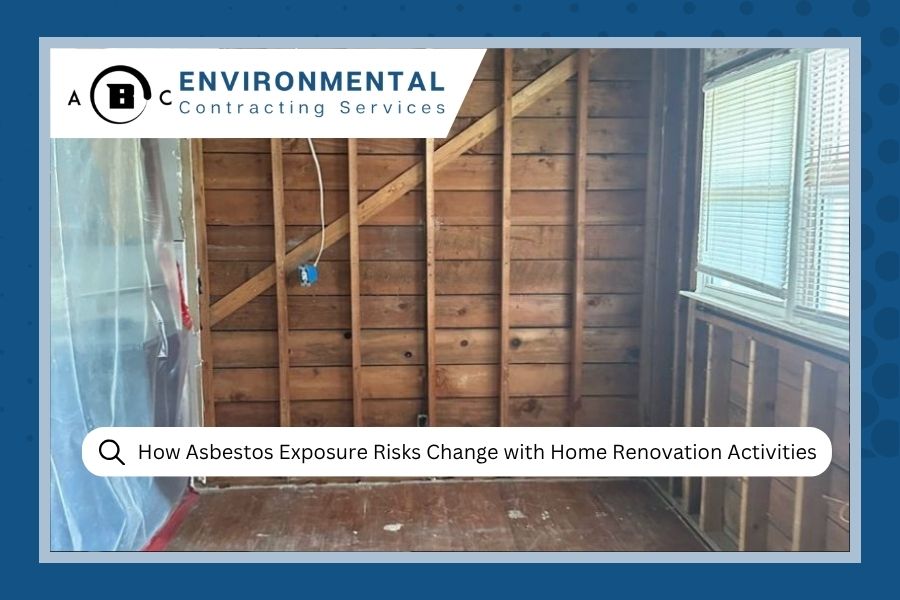
Home renovation changes your asbestos risk the second a tool touches an old surface. Left alone, asbestos sits still and does no harm. But cutting, sanding, or tearing out old material breaks it apart and sends tiny fibers into the air you breathe. Our team at ABC Environmental Contracting Services helps St. Louis families handle this safely, and professional asbestos removal is one of the services we are certified to provide.
Here is the part people miss. That popcorn ceiling or old floor tile is not the danger. The danger starts when you disturb it. The same material can be safe on Monday and a real hazard by Tuesday, all because a crew showed up in between.
Why Renovation Turns Asbestos Into a Health Risk
Renovation raises asbestos risk because breaking up old materials frees fibers that were locked in place. Once loose, these fibers are small enough to reach deep into your lungs. They do not break down, and your body cannot clear them out. That is why a remodel is far riskier than simply living in the home.
Think of asbestos material as a sealed envelope. Left alone, the contents stay put. Scrape, drill, or smash it, and the envelope tears open. The Agency for Toxic Substances and Disease Registry links breathing these fibers over time to lung cancer, mesothelioma, and asbestosis.
The tricky part is timing. Symptoms can take decades to show up. A weekend demo project feels harmless because nothing happens right away. There is no smell, no dust cloud, and no quick reaction to warn you.
That delay is what makes people careless. It is also why we treat any pre-1980s material as a question mark until a test gives us a clear answer.
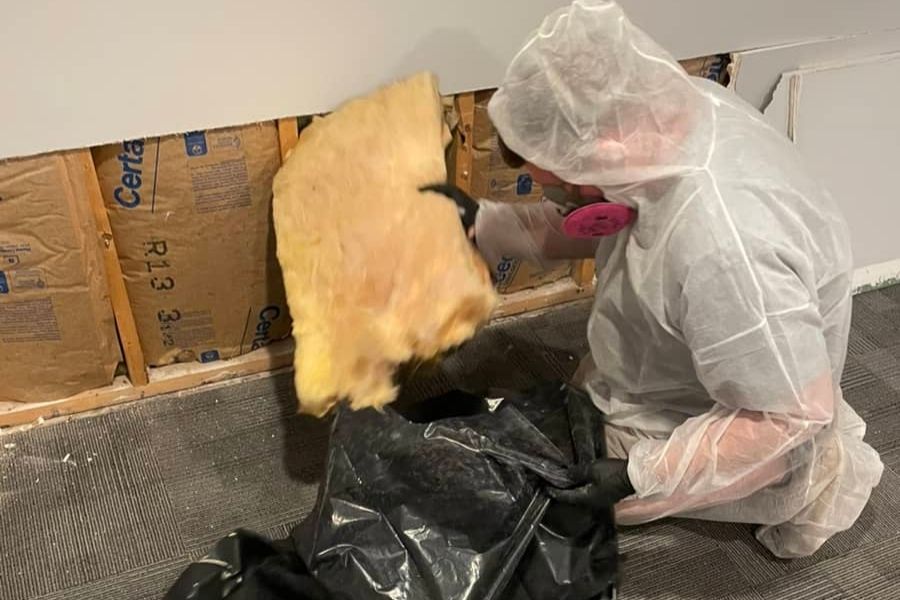
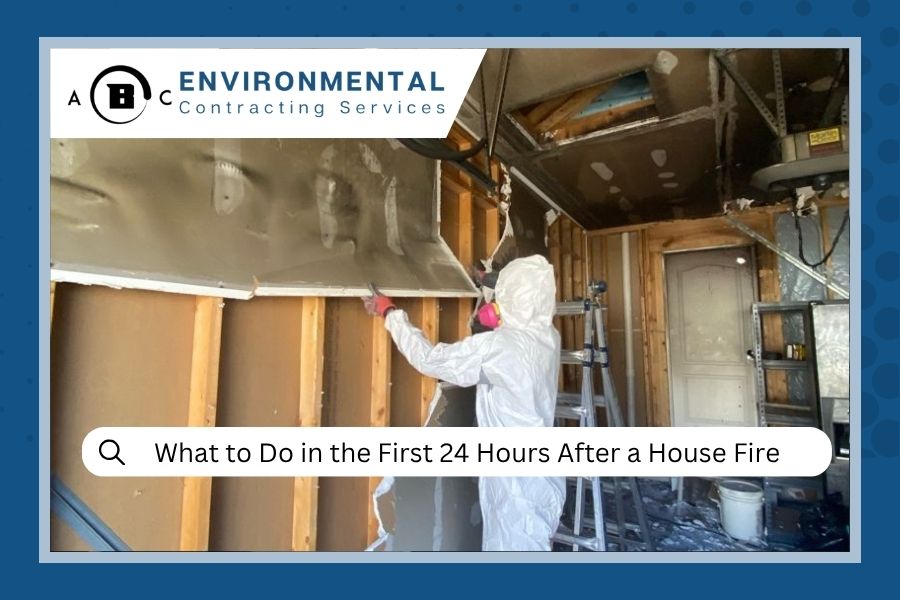
Demolition inside a containment zone. This is the moment fibers are most likely to become airborne, which is why controlled setups matter.
Which Renovation Activities Release the Most Fibers?
Not all projects carry the same risk. Rough work that grinds, cuts, or shatters material releases the most fibers. Gentle surface work releases far less. The table below ranks common tasks, so you know where to slow down and test first.
| Renovation Activity | Fiber Release Risk |
|---|---|
| Sanding or scraping popcorn ceilings | Very High |
| Demolishing walls or ceilings | Very High |
| Ripping up old floor tile and adhesive | High |
| Cutting or drilling into old insulation | High |
| Removing old pipe wrap or duct tape | Moderate |
| Painting over intact, sealed surfaces | Low |
Planning a remodel in an older home?
Test before you tear anything out. We are available 24/7 for St. Louis area homeowners.
Schedule Asbestos TestingWhere Asbestos Hides in Older Homes
Asbestos hides in dozens of building materials used before the 1980s. Was your home built or last redone in that era? Then assume these materials could contain it until a test proves otherwise. Knowing the usual hiding spots helps you plan a safer project.
- Popcorn and other textured ceilings
- Vinyl floor tiles and the black mastic adhesive under them
- Pipe and duct insulation, often a chalky white wrap
- Old drywall joint compound and patching plaster
- Roofing shingles, siding, and cement board
- Vermiculite attic insulation with a pebble-like look
Want the full breakdown for our region? Our guide on where asbestos hides in older St. Louis homes walks through each material room by room.
How to Protect Your Family During a Remodel
Protecting your family starts with a test before any demo begins. From there, sealed containment and pro handling keep fibers out of your living space. Run through this checklist before you pick up a single tool in an older home.
Pre-Renovation Safety Checklist
- Test suspect materials with a certified asbestos inspection before demolition
- Never sand, saw, or drill material you have not cleared
- Keep kids and pets out of the work zone entirely
- Seal off the area and shut down HVAC to stop fibers from spreading
- Skip the shop vac and leaf blower, which just launch fibers back into the air
- Hire licensed professionals for removal, then get written confirmation the job followed regulations
One more thing worth repeating. The EPA warns that bad removal can raise your exposure compared to leaving material alone. Good intentions with the wrong method make things worse, not better.
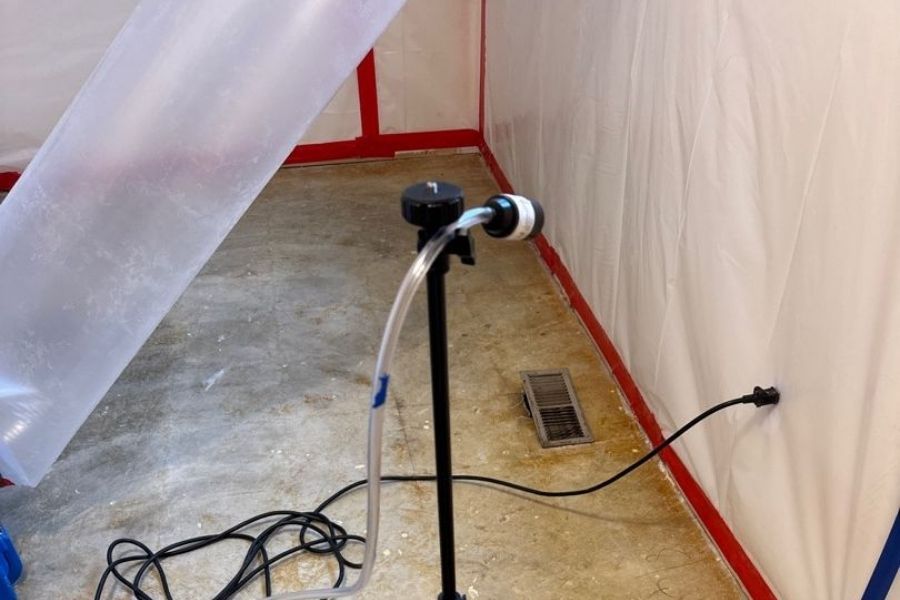
Proper gear, sealed containment, and trained crews are the difference between safe removal and a house full of airborne fibers.
DIY or Call a Pro? How to Decide
Small surface work on confirmed asbestos-free materials can be a DIY job. Anything that disturbs suspected asbestos should go to a licensed pro. The line is simple. If you are cutting, breaking, or pulling out pre-1980s material, that is not a weekend job.
We get why folks want to save money and do it themselves. For painting a sealed surface or swapping a light fixture, go for it. But once a saw or pry bar meets old tile or ceiling texture, the risk shifts to your whole family. And the cleanup costs after a bad removal usually dwarf what a test would have cost up front.
Many homes in our area were built well before the 1980s, so this is not a rare problem here. It is one of the most common jobs our crews walk into, as you can see in one Florissant family's asbestos discovery story.
Ready to plan a safer remodel? You can contact our team to talk through your project. We proudly serve homeowners across the greater St. Louis area, and our veteran-owned crews bring more than 20 years of combined experience to every job.
Do not gamble with asbestos during your renovation
Get materials tested, get a clear plan, and get it done right the first time.
Read Our Asbestos-Safe Renovation GuideFrequently Asked Questions
Can I tell if a material has asbestos just by looking at it?
No. Asbestos fibers are too small to see, so your eyes cannot confirm it. The only sure way is a lab test of a sample taken safely. When in doubt, treat older materials as if they have asbestos until a test says otherwise.
Is it safe to stay in my home during asbestos removal?
It depends on the size and spot of the work. Sealed containment shuts off the work zone, but many families still choose to stay elsewhere for bigger jobs. We look at each case and give you honest advice based on the scope and your home layout.
Does renovating a newer home carry the same asbestos risk?
Usually not. Homes built after the mid-1980s are far less likely to have asbestos materials. Still, if a newer home had older sections added or reused old materials, a test is the safe move before major demo.
What should I do if I started demo and think I disturbed asbestos?
Stop work right away and leave the area. Do not sweep or vacuum, since that spreads fibers further. Seal off the space if you can, then call a licensed pro to check it out and handle cleanup the right way.
More To Explore