Jump To
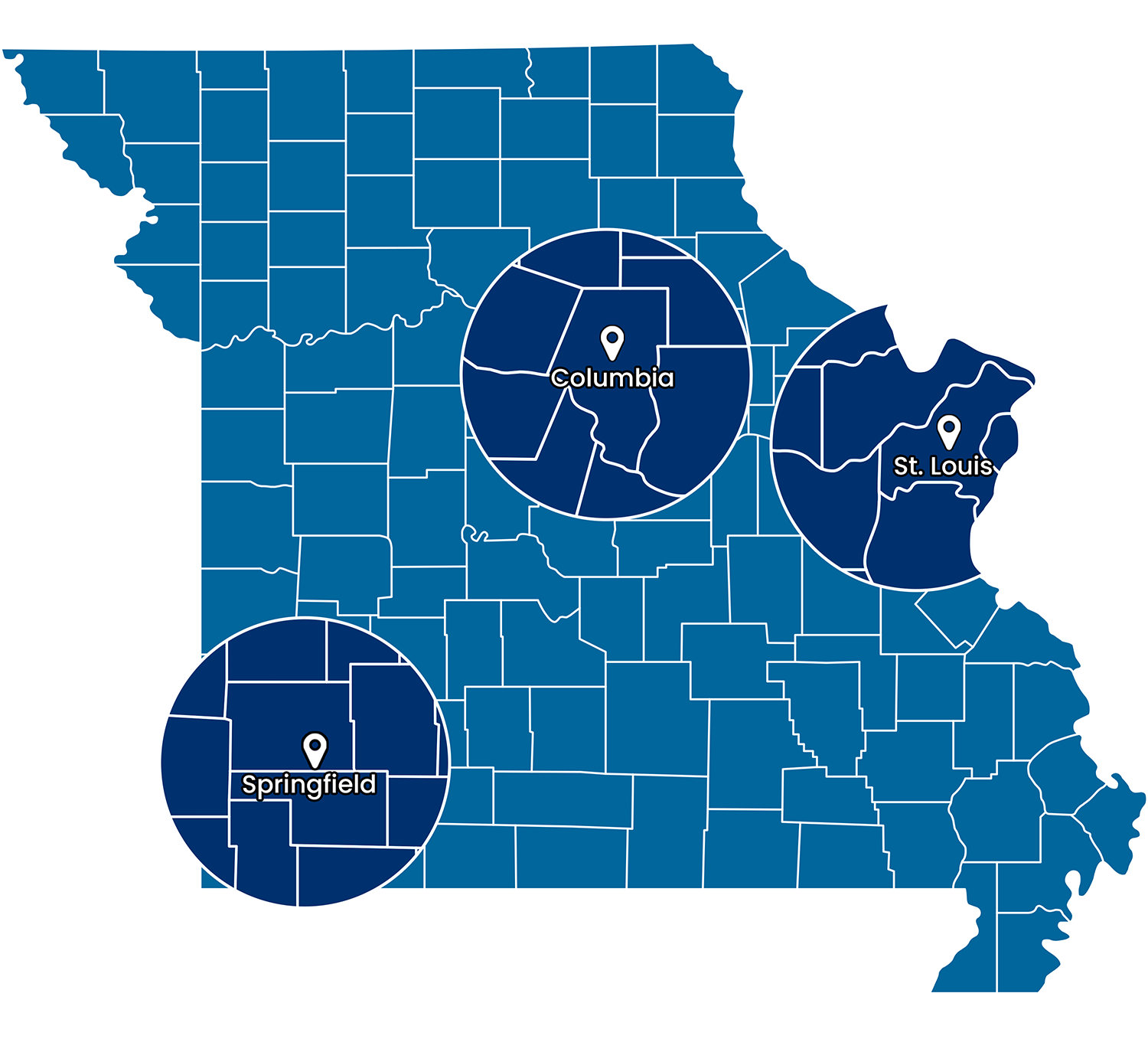
The first 24 hours after a house fire are about safety, documentation, and stopping new damage before it starts. Wait for the fire department to clear you before re-entering, call your insurer, and get the property secured. Our team at ABC Environmental Contracting Services provides IICRC certified fire damage restoration across the St. Louis metro, and we walk homeowners through this exact window every week.
It's a lot to take in. Let's slow down and go step by step.
Your First 24 Hours After a House Fire: A Simple Checklist
In the first day, focus on people first, then paperwork, then protecting what's left. You can't undo the fire, but you can stop the situation from getting worse. Here's the order we recommend to homeowners in the St. Louis area.
- Stay out until it's cleared. Don't re-enter until fire officials say the structure is safe. Hidden hot spots and weakened floors are real risks.
- Check on everyone. Make sure family and pets are accounted for and get medical attention for any burns or smoke exposure.
- Call your insurance company. Start your claim right away and ask what your policy covers for emergency services and temporary housing.
- Find a safe place to stay. Reach out to family, friends, or the American Red Cross for shelter and basic supplies.
- Document everything. Take photos and video of the damage before anything is moved or thrown away.
- Secure the property. Board up openings and cover the roof so weather, animals, and trespassers stay out.
The American Red Cross offers immediate help with housing and essentials, which takes a huge weight off your shoulders while you sort out the bigger picture.
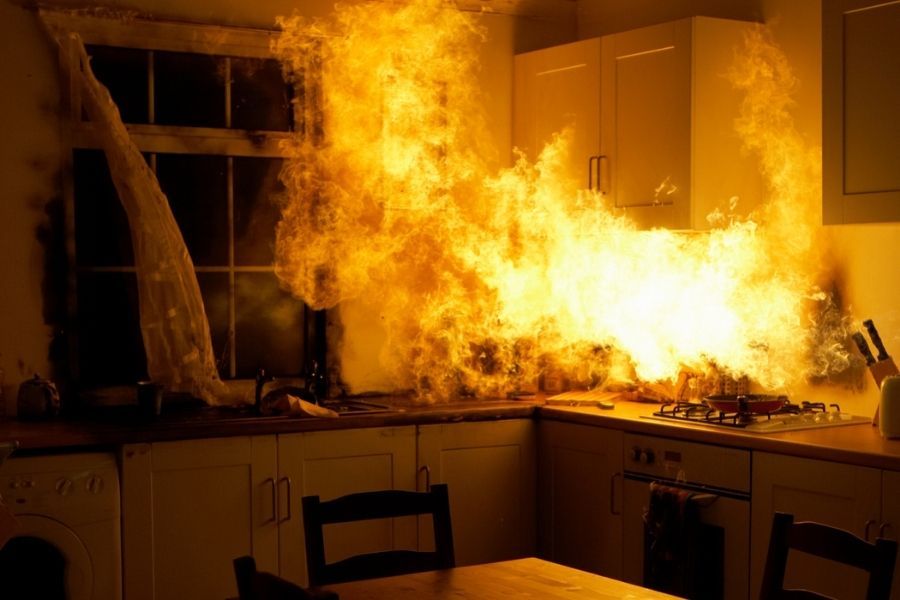
A kitchen fire can spread heat and smoke through a home in minutes, which is why getting everyone out is always step one.
Why Safety Has to Come First
A house is more dangerous after a fire than most people expect. Even once the flames are out, you're dealing with unstable structures, toxic residue, and hidden hazards that aren't obvious from the doorway. Your health matters more than any belonging inside.
Firefighters often break windows and cut holes in walls or the roof to fight the blaze and vent smoke. That leaves broken glass, exposed nails, and weakened supports behind. According to the U.S. Fire Administration, the soot and dirty water left behind can also make you sick.
Never flip the power or gas back on yourself. Leave that to the utility company or a licensed pro. And if the fire touched wiring or your electrical panel, assume nothing is safe to plug in until it's been inspected.
Quick safety reminder: Don't eat food exposed to heat, smoke, or soot, and don't use medicine or cosmetics that were near the fire. When in doubt, throw it out and photograph it first for your claim.
Why You Should Board Up Your Home
Boarding up seals your home against weather, animals, and intruders during the days it sits empty. A fire-damaged house with broken windows and a hole in the roof is wide open, and an open home invites a second round of problems. This is one of the most important steps you can take in the first 24 hours.
Rain and wind can pour through a damaged roof and turn smoke damage into water damage overnight. Curious animals move in fast. And sadly, an open home can draw theft while your family is away. Prompt emergency board-up services shut all of that down.
Insurance companies also expect you to take simple steps to stop further damage. If you leave the home open and more damage piles up, that can hurt your claim. Boarding up protects both your property and your payout.
Home Damaged by Fire? We're Available 24/7.
Our veteran-owned team responds fast across the St. Louis metro to secure your home and start the recovery.
Contact Our TeamHow to Prevent Secondary Damage Before Cleanup
Secondary damage is the harm that keeps going after the fire is out. It often causes more loss than the flames did. Smoke, soot, and firefighting water eat away at surfaces and belongings for days. Acting fast in the first 24 hours saves items that would otherwise be gone for good.
Soot is acidic. Left to sit, it stains walls, dulls metal, and works deep into fabric and electronics. The longer it stays, the harder it is to clean.
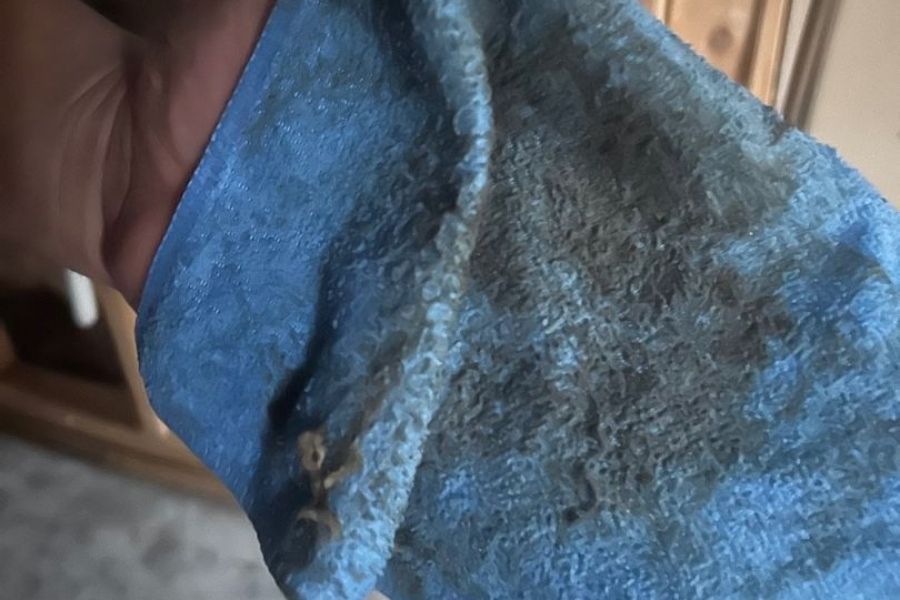
One wipe shows how much acidic soot settles onto surfaces after a fire. This residue keeps causing damage until it's professionally removed.
Then there's the water. All the water used to put out the fire has to go somewhere, and that soaked drywall and flooring can grow mold within a day or two. Quick water damage restoration keeps a fire from turning into a mold problem on top of everything else.
| Secondary Threat | What It Does | What Helps |
|---|---|---|
| Acidic soot | Etches glass and metal, stains walls | Prompt professional soot removal |
| Smoke odor | Sinks into fabric, drywall, and ducts | Deodorization and content cleaning |
| Firefighting water | Feeds mold, warps wood and floors | Fast extraction and drying |
Because fire and water damage almost always show up together, we handle fire and water damage at the same time. That saves days and prevents new problems from taking root. You can see how quickly soot travels in this St. Louis garage fire that pushed smoke through an entire home.
From Emergency Response to Rebuild, Under One Roof
The best time to call a restoration company is within that first 24-hour window. We can secure the home, record the damage for your insurer, and start protecting your things before secondary damage sets in. Early action almost always means less loss and a faster recovery.
We're a full-service environmental and restoration company in St. Louis. We take you from that first emergency call all the way through the rebuild. Fire cleanup, smoke damage cleaning, water removal, and repairs come from one veteran-owned team. That means you're not juggling five contractors during an already stressful time.
Frequently Asked Questions
Can I go back into my house right after a fire?
No. Wait until the fire department confirms the structure is safe to enter. Fires weaken floors, ceilings, and stairs, and hidden hot spots can reignite, so re-entering too soon puts you at real risk.
Should I start cleaning up soot myself?
It's best not to. Soot is acidic and can be pushed deeper into surfaces with the wrong cleaning, which causes permanent staining. Professional crews use the right products and equipment to lift it safely without spreading the damage.
Will my homeowners insurance cover fire damage restoration?
Most homeowners policies cover fire damage, including emergency board-up and cleanup. Call your insurer within the first day to open a claim, and document everything with photos. We work directly with insurance companies to help the process go smoothly.
How fast can secondary damage start after a house fire?
Very fast. Acidic soot begins etching surfaces within hours, and mold can start growing in firefighting water within 24 to 48 hours. That's why securing the home and starting cleanup quickly makes such a difference.
More To Explore